Kitchen Solutions for Every Foodservice Environment
Each solution profile outlines functional priorities, system requirements, and long-term considerations organized around operational realities rather than individual products.
Rather than presenting fixed templates, each solution profile outlines adaptable system models that can be scaled, modified, or phased over time. These profiles are intended to initiate structured planning conversations, not replace professional design services.
Solution Profiles
Explore solution architectures designed for different operational environments and requirements.
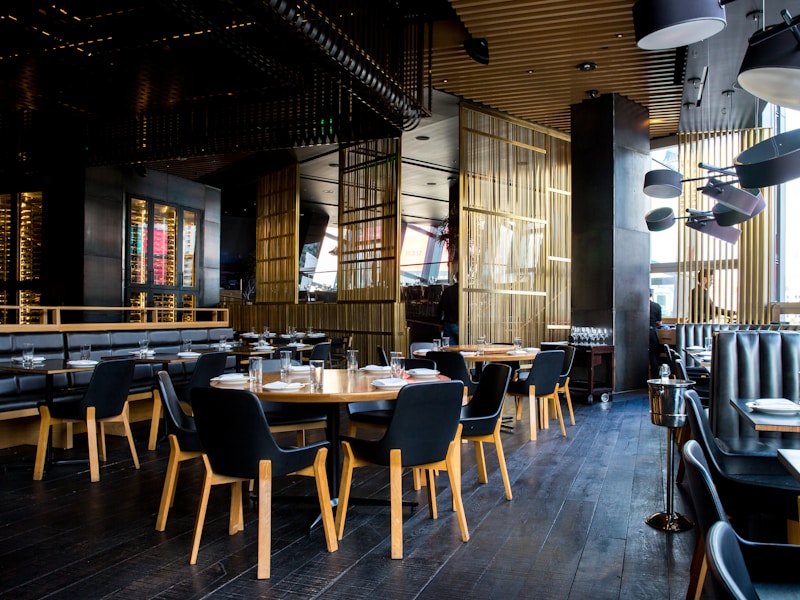
Full-Service Restaurant Kitchens
Balanced performance across speed, menu flexibility, staff workflow, and guest experience. Designed for operations requiring extensive menu variety and high service standards.
View Solution Profile
Quick-Service & Fast Casual
High-volume production systems optimized for speed, consistency, and labor efficiency. Focus on throughput, holding capacity, and simplified workflows.
View Solution Profile
Hotel & Resort Foodservice
Multi-venue operations requiring flexibility across banquet, restaurant, room service, and event catering. Emphasis on scalability and operational versatility.
View Solution ProfileHow Solution Profiles Are Structured
Each solution profile follows a consistent framework designed to support strategic evaluation.
Operational Characteristics
Core functional requirements and performance expectations
Functional Zones
System-level organization of kitchen areas and interdependencies
Strategic Considerations
Long-term factors influencing system selection and configuration
Capacity Planning
Typical ranges and scaling considerations
Workflow Implications
Staffing models and operational patterns
Maintenance Access
Service requirements and downtime tolerance
Regulatory Awareness
Compliance considerations specific to the environment
Cost Drivers
Lifecycle factors beyond initial acquisition
Using Solution Profiles
Solution profiles are most effective when used during early planning stages, before detailed specifications are developed. They serve as frameworks for:
- Aligning internal stakeholders on operational priorities
- Structuring conversations with design consultants
- Evaluating trade-offs between different system approaches
- Establishing evaluation criteria for vendor proposals
Important Note
These profiles do not prescribe specific equipment brands or models. Instead, they define functional requirements and system relationships that inform equipment selection.